

How to Build Scalable Applications: Best Practices for Startups!
In today’s fast-evolving digital world, startups must build applications that are not only functional but also scalable, secure, and high-performing. As your user base grows, your application should be able to handle increased demand without slowing down or breaking. Scalability ensures long-term success and reduces the need for frequent redevelopment.
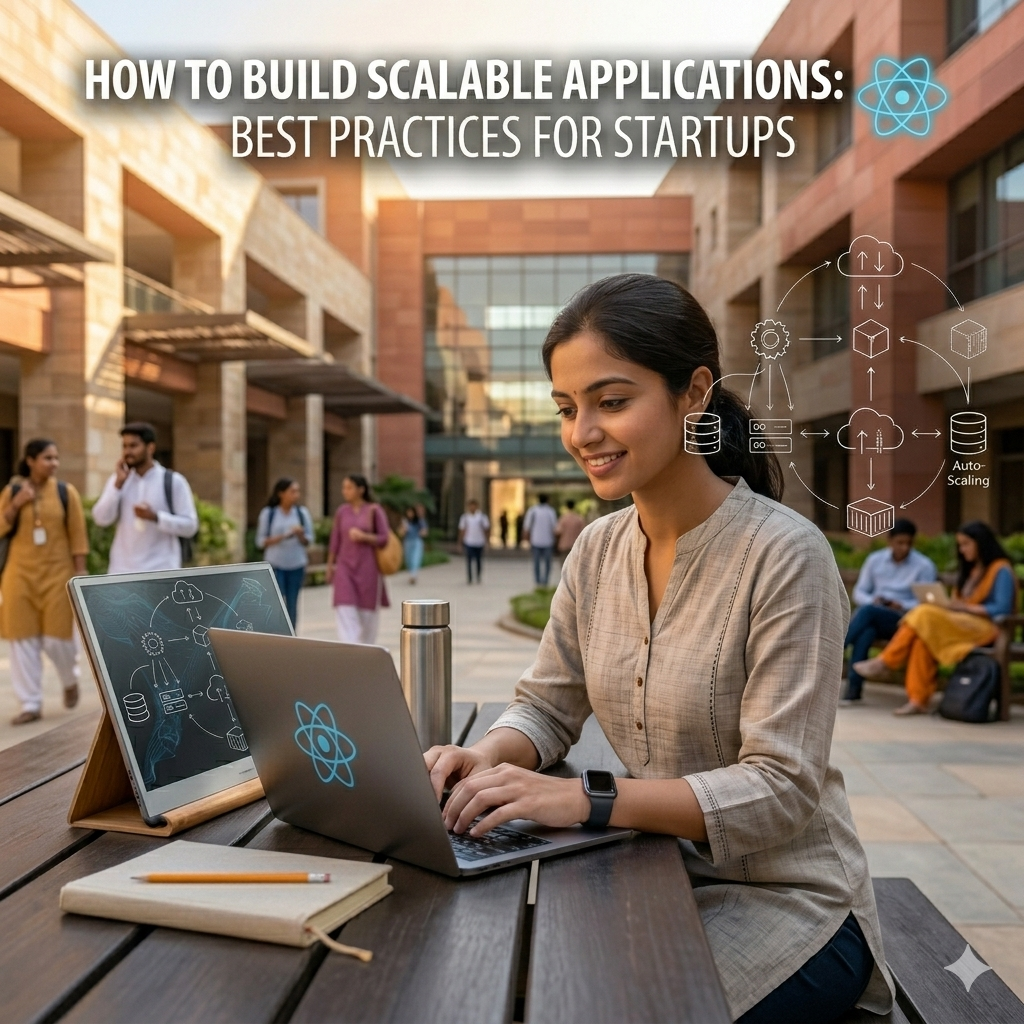
Why Scalability Matters for Startups
Startups often aim for rapid growth. If your application is not scalable, it can lead to performance issues, downtime, and poor user experience.
Scalability helps in:
- Managing increasing traffic and users efficiently
- Ensuring consistent performance
- Reducing maintenance and redevelopment costs
- Supporting business expansion and new features
- Improving customer satisfaction and retention
Role of Modern Technologies
Modern technologies like React, cloud platforms, and microservices architecture help startups build flexible and scalable systems. React enables fast, interactive, and responsive user interfaces, making it a popular choice for frontend development.
Cities like Raipur are witnessing rapid digital growth, where startups and businesses are increasingly adopting such technologies to stay competitive.
Best Practices to Build Scalable Applications
1. Component-Based Architecture
Use reusable components to simplify development and maintenance. This approach allows teams to scale applications efficiently without rewriting code.
2. Microservices Architecture
Instead of building a single large application, break it into smaller services. Each service can be developed, deployed, and scaled independently.
3. Optimize Performance from Day One
- Use lazy loading
- Implement code splitting
- Minimize API calls
- Optimize images and assets
4. Cloud Infrastructure
Leverage cloud services like AWS, Azure, or Google Cloud to scale resources dynamically based on demand.
5. API-First Development
Build your application around APIs. This ensures flexibility and makes it easier to integrate with mobile apps, third-party tools, and future technologies.
6. Database Optimization
Choose the right database (SQL or NoSQL) based on your needs and optimize queries for faster performance.
7. Caching Strategies
Use caching (like Redis or browser caching) to reduce server load and improve response times.
8. Mobile-First and Responsive Design
Ensure your application works seamlessly across all devices, especially mobile, as most users access apps via smartphones.
Advanced Strategies for Scalability
9. Load Balancing
Distribute traffic across multiple servers to prevent overload and ensure high availability.
10. Continuous Integration & Deployment (CI/CD)
Automate testing and deployment to release updates faster and maintain stability.
11. Security and Data Protection
Implement strong security practices:
- Data encryption
- Secure authentication
- Regular security audits
12. Monitoring and Analytics
Use tools to monitor performance, errors, and user behavior. This helps in identifying issues early and improving the system.
13. Modular Code Structure
Keep your code organized and modular so new features can be added without affecting existing functionality.
Key Features of Scalable Applications
A scalable application should have:
- High speed and performance
- Seamless user experience
- Ability to handle large traffic spikes
- Flexibility to add new features
- Strong security and reliability
When Should Startups Focus on Scalability?
You should prioritize scalability if:
- You are building a startup or MVP
- You expect rapid growth
- Your application handles real-time data
- Your current system is slow or outdated
- You plan long-term expansion
Benefits of Hiring Skilled Developers
Experienced developers play a crucial role in building scalable applications. They help in:
- Designing robust architecture
- Choosing the right technologies
- Optimizing performance
- Building modern and user-friendly interfaces
For startups in Raipur, hiring local developers offers added advantages such as better communication, faster turnaround time, and cost-effective solutions.
Common Mistakes to Avoid
- Ignoring scalability in early stages
- Writing unstructured or messy code
- Not optimizing database queries
- Overloading a single server
- Skipping testing and monitoring
- Neglecting security practices
Conclusion
Building a scalable application is not just a technical requirement—it’s a business necessity for startups aiming for growth. By following best practices, using modern technologies, and planning for the future, startups can create applications that perform efficiently under any load.
A well-scaled application ensures better user experience, supports business expansion, and sets a strong foundation for long-term success.